
 EN
EN
 AR
AR
 BG
BG
 HR
HR
 CS
CS
 DA
DA
 NL
NL
 FR
FR
 DE
DE
 IT
IT
 PT
PT
 RO
RO
 RU
RU
 ES
ES
 TL
TL
 ID
ID
 VI
VI
 HU
HU
 TH
TH
 MS
MS
 BN
BN
Anyone who works with fluids regularly has had a hose fail at the worst possible time. Maybe it was a rubber hose that went stiff in cold weather and wouldn’t coil. Maybe it was a cheap clear tube that bulged under pressure and burst without warning. Or it might have been a heavy, bulky hose that was exhausting just to drag across a worksite.
PVC braided hose was made to fix all these frustrations. It isn’t the priciest option available. It doesn’t have fancy branding or overstated claims. What it offers is far more useful: steady, reliable performance you can count on without constant worry.
The Trouble with Basic “Good Enough” Hoses
Hardware stores are full of hoses that look fine at first sight. But most are made with thin PVC and little to no internal support. Hook one to a pump, and when pressure rises, the hose swells right away. That bulging isn’t just unsightly—it’s a clear warning. The material stretches unevenly, wearing thin at its weakest spots. Keep using it, and a tiny leak will turn into a tear, and a tear into total failure.
Rubber hoses avoid swelling, but bring their own problems. They’re heavy. They absorb water and get even heavier. Left in sunlight, the outer layer cracks quickly. Dragged over concrete or gravel, the surface wears away fast. And in freezing temperatures, they turn rigid and hard to handle.
Where Braided PVC Stands Out
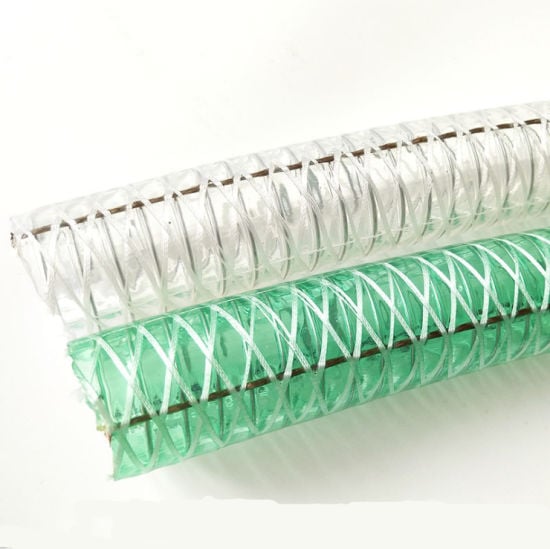
PVC braided hose hits the perfect balance between cheap, unreinforced tubing and heavy rubber. The real difference is the built-in polyester braid. Unlike a basic hollow tube, the braid takes on the pressure. When you turn on the pump, the braid stretches slightly then holds firm. The hose doesn’t bulge. It doesn’t balloon. It just works.
This isn’t just theory. Test a standard ½-inch braided PVC hose at its rated working pressure, and you’ll see only mild, even expansion—usually less than 5%—then no more change. Turn off the pressure, and it goes back to its original size. Repeat this hundreds of times, and it behaves the same way. The braid doesn’t wear out like plain plastic tubing.
The braid also resists kinking. A kink creates a crease, and a crease weakens the hose. Every sharp bend that leaves a mark damages the structure. Thanks to its spiral or diamond braid pattern, PVC braided hose bends in smooth curves instead of sharp folds. It shouldn’t be misused, but it handles tight corners better than unreinforced tubes.
No Swelling, No Unexpected Issues
Many people switching from basic PVC to braided hose say the same thing: “I didn’t realize a hose could stay the same shape under pressure.” That stable size matters more than most people realize.
When a hose swells, its inner width changes. Flow rates shift. Fittings can loosen as the plastic pulls away from connectors. For roller or peristaltic pumps, swelling can cause jamming or unexpected slipping. A braided hose keeps its shape, so flow stays consistent and mechanical problems are rare.
For transferring gasoline, light oils, or diesel, the braided design also adds safety. The polyester braid boosts burst strength, and the PVC material resists fuel damage better than many unreinforced plastics. It isn’t meant for permanent fuel lines, but for temporary transfer and emergency refueling, it’s a dependable choice.
The Food-Grade Version
Then there’s the food-grade PVC braided hose. Same braided structure, same transparency, same flexibility—but made to stricter EU and FDA standards.
In real terms, that means drinking water runs through without a plastic taste. Milk can be moved from bulk tanks to pasteurizers with no risk of contamination. Small breweries can transfer wort or cleaning fluids through the same hose, confident the inner surface won’t hold bacteria or leach harmful chemicals.
Food-grade hose is non-toxic and clean. For commercial kitchens, dairies, juice bars, or any inspected food-handling space, this hose meets regulations easily. Just show inspectors the compliance documents, and you’re set.
Practical Tips for Buyers
When choosing a PVC braided hose, focus on what actually counts. First, check the temperature range. The standard -5°C to +65°C works for most indoor and outdoor jobs, but extreme cold or heat needs a different material. Second, look at the working pressure rating—not just burst pressure. Daily use depends on safe operating pressure. Third, choose food-grade if the fluid will be consumed by people or animals. For general water or air, standard hose is fine.
Storage is simple too. Unlike rubber, PVC braided hose doesn’t need special care. Keep it out of constant direct sunlight and avoid heavy objects crushing it. Beyond that, it needs almost no maintenance.
Final Thought
PVC braided hose isn’t groundbreaking. That’s exactly why it works so well. It’s a proven, reliable product that solves real problems without creating new ones. It doesn’t swell under pressure. It doesn’t turn stiff in cold weather. It doesn’t weigh down your equipment. And for food-safe jobs, the certified version is ready to use.
You can spend more on specialized hoses. Or you can get a PVC braided hose, put it to work, and barely think about it. For most tasks, that’s the smarter choice.
